Keir Starmer's Stance on Iran: Defending UK Interests & Lawful War
The escalating tensions in the Middle East have placed a critical spotlight on global leadership, and Britain's approach to the complex situation involving Iran is no exception. At the helm, Sir Keir Starmer has articulated a nuanced and firm policy, prioritising the protection of British nationals and interests while steadfastly adhering to the principles of international law and carefully considered military engagement. This detailed examination delves into
Keir Starmer's Iran strategy, exploring his defence of a cautious yet resolute stance amidst both domestic and international criticism.
Prioritising National Security: Starmer's Defensive Posture
From the outset, Sir Keir Starmer has made it unequivocally clear that safeguarding British citizens and assets is his "number one priority." This isn't merely a political platitude but the foundational principle guiding his administration's response to Iranian aggression. In a volatile region, where direct and indirect threats can materialise rapidly, a leader's primary duty is to ensure the safety of their people, both at home and abroad. This commitment has shaped the UK's strategic deployments and diplomatic overtures, aiming to de-escalate rather than inflame an already fraught situation.
The wisdom of this defensive posture became starkly evident with incidents such as the suspected Iranian drone crashing near RAF Akrotiri in Cyprus, a British military base, followed by subsequent attempts on the same facility. These events underscored the immediate danger to UK personnel and infrastructure, validating Starmer's focus on protective measures rather than immediate, unchecked retaliation. His approach signifies a clear distinction between responding to aggression defensively to protect lives and interests, and embarking on offensive actions that could inadvertently drag the UK into a broader, unpredictable conflict. For
Keir Starmer, Iran policy is thus deeply rooted in pragmatic national security concerns. It's about taking decisive action to mitigate threats, not provoking new ones.
The Legal and Strategic Pillars of Engagement
A cornerstone of Sir Keir Starmer's stance on Iran is his unwavering insistence on a "lawful basis and a viable, thought-through plan" before committing UK forces to any large-scale military action. This principle, often seen as a hallmark of responsible statecraft, speaks to a deeper understanding of the complexities of modern warfare and international law. Jumping into conflict without clear legal justification, such as a UN Security Council resolution or a clear case of self-defence, risks undermining global norms and inviting further instability. Furthermore, a "viable, thought-through plan" encompasses critical elements often overlooked in the rush to respond:
- Clear Objectives: Defining precisely what military action aims to achieve.
- Defined Scope: Understanding the limits of engagement and avoiding mission creep.
- Exit Strategy: Planning for how and when to disengage, preventing prolonged involvement.
- Assessment of Consequences: Evaluating potential civilian casualties, regional destabilisation, and long-term impacts.
This measured approach, while criticised by some as hesitation, reflects a commitment to avoiding the pitfalls of past interventions. It underscores the belief that prudent leadership demands a comprehensive understanding of the ramifications before committing the nation's military. The implications of rushing into conflict without these pillars could be catastrophic, both for UK forces and the wider geopolitical landscape. Understanding the nuances of international engagement and how leaders balance national interest with global responsibilities is crucial.
Bolstering UK Defence Capabilities in a Volatile Region
Despite accusations of inaction, Sir Keir Starmer's government has demonstrably taken proactive steps to strengthen the UK's defensive capabilities in the Middle East. These deployments are not merely symbolic; they represent a significant bolstering of air defence, surveillance, and rapid response mechanisms designed to protect British assets and personnel and contribute to regional stability. Weeks before the latest escalation, the government had been pre-deploying a sophisticated array of military hardware:
- Radar Systems & Ground-Based Air Defence: Enhancing early warning and interception capabilities against airborne threats.
- Counter-Drone Systems: Directly addressing a significant and growing threat from unmanned aerial vehicles.
- F35 Jets: State-of-the-art multi-role combat aircraft capable of surveillance, air superiority, and precision strikes.
- Wildcat Helicopters: Armed with Martlet missiles, these are specifically adept at engaging drones and smaller aerial targets. These are expected to arrive in Cyprus imminently.
- HMS Dragon: A formidable Type 45 destroyer, equipped with advanced air defence systems, though initial reports confirmed it was still in Portsmouth being loaded with ammunition.
These deployments showcase a multi-layered defensive strategy, designed to intercept incoming strikes and safeguard UK interests. While critics like Conservative leader Kemi Badenoch accused the government of "catching arrows rather than stopping the archer," Starmer countered by highlighting the Conservative record of defence budget cuts and "hollowed out" forces. The fact remains that these capabilities are being deployed to the region, providing vital protection and deterrence. For a deeper dive into these strategic manoeuvres, read our related article:
UK Military Bolsters Defenses: Starmer's Iran Strategy Unpacked. This proactive strengthening of military presence underscores the seriousness with which
Keir Starmer views Iran's potential for aggression.
Navigating the 'Special Relationship' Amidst Criticism
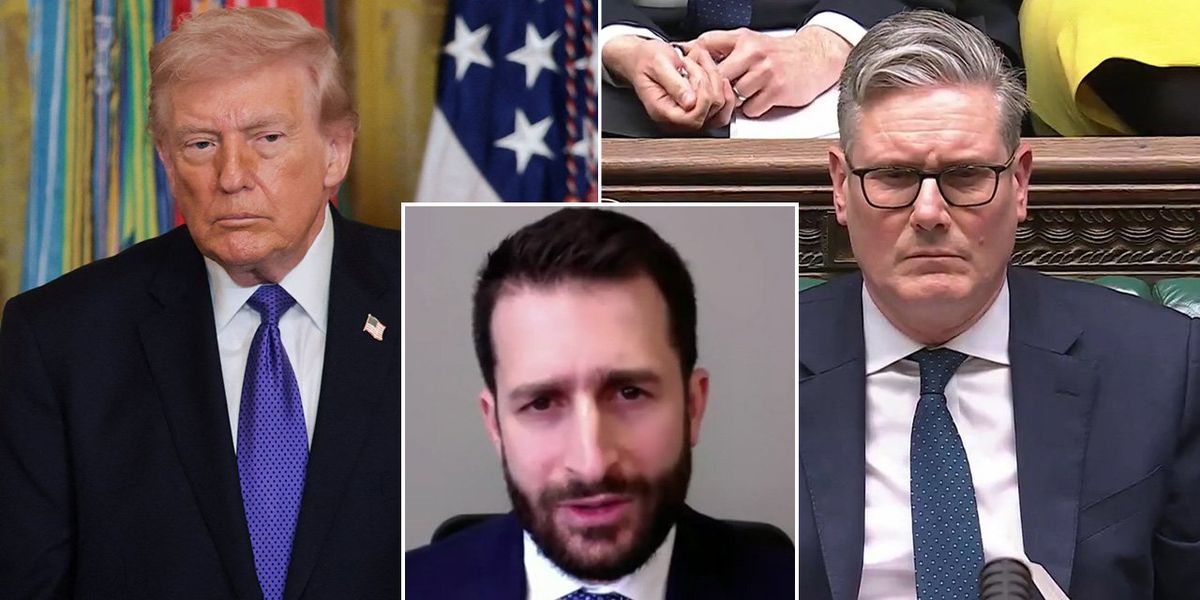
One of the most challenging aspects of the current crisis has been navigating the UK's "special relationship" with the United States, particularly under the scrutiny of former President Donald Trump. Trump, known for his outspoken nature, publicly criticised Sir Keir Starmer's initial refusal to allow UK bases to be used for offensive strikes against Iran, famously describing him as "no Winston Churchill" and suggesting the UK-US relationship was "not what it was." These remarks prompted significant debate about the strength and independence of British foreign policy.
Starmer, however, swiftly dismissed these suggestions, asserting that the "special relationship" was not contingent on "hanging on to President Trump's latest words." Instead, he highlighted that allowing US planes to operate from British bases for defensive purposes was "the special relationship in action." This distinction is crucial: it signals that the UK remains a steadfast ally, willing to support defensive operations, but maintains its sovereign right to define the terms of its military engagement based on its own legal and strategic assessments. Managing alliances during international crises requires a delicate balance of solidarity and independent decision-making. The ability to support allies while adhering to national principles is a testament to diplomatic skill. For more analysis on this specific friction point, explore
Trump, Badenoch Slam Starmer's Iran Response: Is UK-US Bond Weak?.
Conclusion
Keir Starmer's stance on Iran reflects a deliberate strategy built on national security, adherence to international law, and robust defence capabilities, all while carefully managing crucial alliances. His commitment to a "lawful basis and a viable, thought-through plan" for military action provides a framework for responsible engagement, aiming to prevent the UK from being drawn into open warfare without clear objectives or an exit strategy. Despite criticism from political opponents and international figures, Starmer's administration has demonstrably bolstered the UK's defensive posture in the region, acting pre-emptively to protect British interests. The complex interplay of defending the nation, upholding legal principles, and navigating the nuances of the "special relationship" defines
Keir Starmer's Iran policy as one of cautious strength in an increasingly unpredictable world.